
Business
GHANAIANS CALL FOR LOWER LIVING COSTS AND ECONOMIC STABILITY AFTER IMF PROGRAMME EXIT

 GHANAIANS CALL FOR LOWER LIVING COSTS AND ECONOMIC STABILITY AFTER IMF PROGRAMME EXIT
A cross-section of Ghanaians have shared mixed reactions and expectations following Ghana’s conclusion of its latest programme with the International Monetary Fund, with many calling for improvements in living conditions, stable exchange rates, and relief from rising utility costs.
The IMF recently announced that Ghana had completed its Extended Credit Facility programme and transitioned into a new Policy Coordination Instrument arrangement, a non-financing programme that will still allow the Fund to monitor the country’s economic policies under certain conditions.
Following the transition, many Ghanaians from the business community, the working class, petty trading sector, and student population say they expect the move to bring economic stability rather than additional hardship.
Several concerns were raised during interviews, particularly regarding electricity tariffs, the cost of living, and the stability of the Ghana cedi.
A spare parts dealer at Abossey Okai, Francis Ackon, said many Ghanaians have already made significant sacrifices over the years through increased taxes, high utility bills, and economic pressures.
According to him, businesses now expect improvements without the introduction of additional taxes.
Another spare parts dealer, Francis Peprah, also expressed concern about exchange rate stability, noting that importers remain worried about the recent fluctuations of the cedi despite earlier signs of stability.
He said traders are hoping the end of the IMF programme will not result in a sharp depreciation of the local currency or further tax burdens on businesses.
Several importers reportedly shared similar views, stressing that exchange rate stability remains critical for their operations.
For petty traders and households, concerns centred mainly on the rising cost of electricity and the general increase in living expenses.
A salon owner in Osu, Elizabeth Boadu, said electricity has become one of her biggest operational expenses, explaining that her power bills have nearly doubled despite using the same equipment and level of consumption.
She expressed hope that electricity tariffs will not increase further after Ghana’s IMF transition.
A public sector worker, Francis Azuma, also lamented the rising cost of living despite reports of economic improvements, urging government to ensure that the gains translate into better living conditions for ordinary citizens.
Meanwhile, student Francis Amenyo questioned the relevance of positive economic indicators if transport fares, utility bills, and daily living costs continue to rise.
Many citizens are therefore calling on government to ensure that the country’s economic recovery directly benefits businesses and households through lower living costs, stable prices, and improved economic conditions.
Source: MyJoyOnline
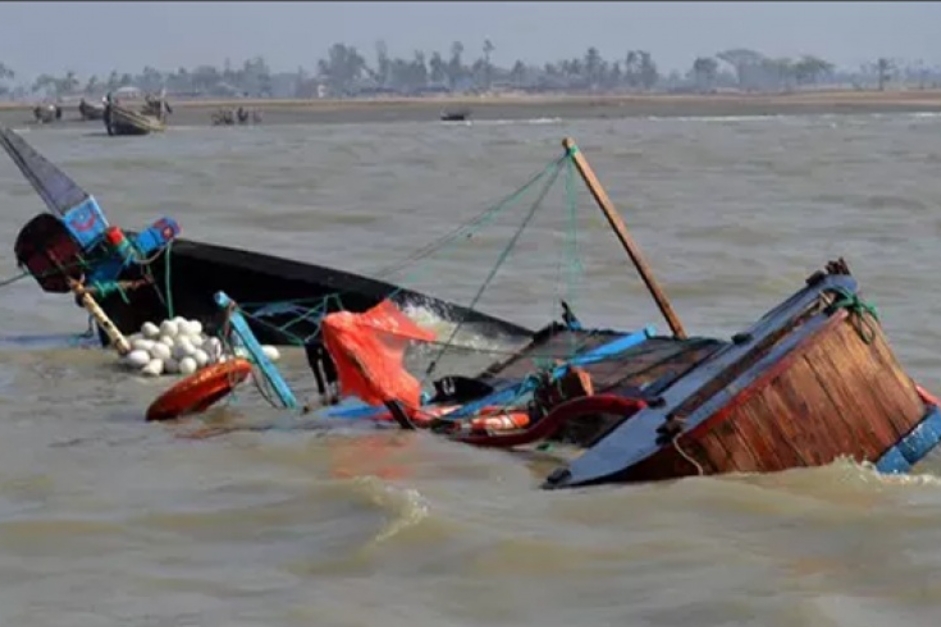
Three Dead, Three Missing Including Baby After Canoe Capsizes on River Oti

KMA Demolition Turns Chaotic as Squatters Pelt Taskforce with Stones
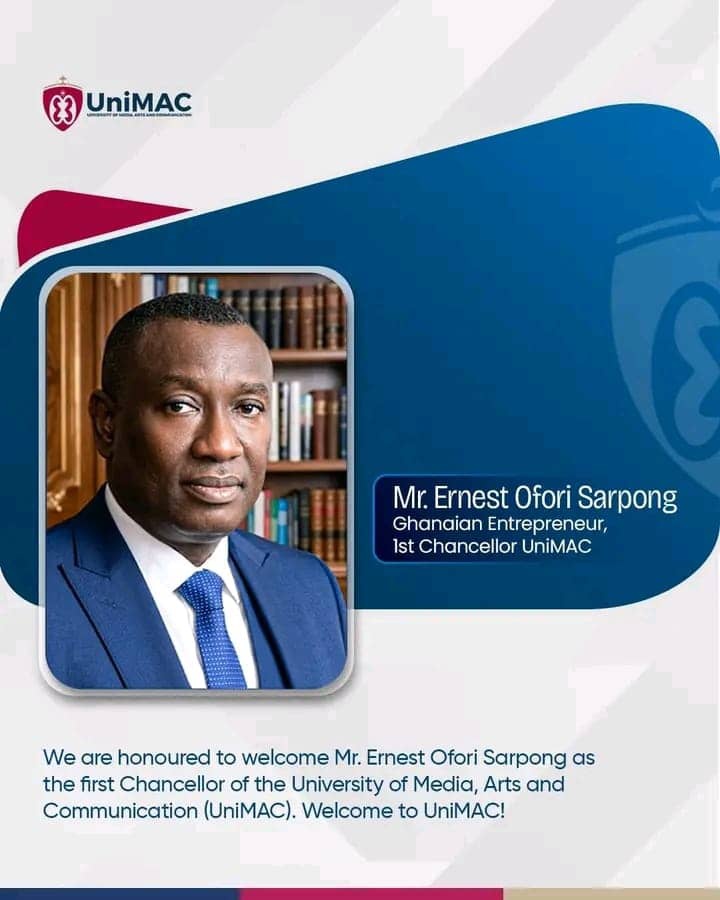
UniMAC Appoints Ernest Ofori Sarpong as First Chancellor

Don Little’s Real name, Biography, Age and his Tribe.

Nsuta Kwamang Beposo MP Donates GH¢30,000 To Support KATH Renovation Project

80years of good in Academics and Excellence, Effisco
-
 Entertainment3 years ago
Don Little’s Real name, Biography, Age and his Tribe.
-
 News3 years ago
Nsuta Kwamang Beposo MP Donates GH¢30,000 To Support KATH Renovation Project
-
 News3 years ago
80years of good in Academics and Excellence, Effisco
-

 News2 years ago
The “Know Your Country” Tourism Campaign
-
 News3 years ago
5 Star World Class Asanco Obibini Tekyi Hotel Commission.
-

 News2 years ago
Church Leader Urges Peaceful Elections, and Responsible Citizenship
-
 Politics3 years ago
A/R: Nsuta Kwamang Beposo MP Commissioned Public Toilet, Boreholes For Nsuta community.
-
 Uncategorized2 years ago
JOB ANNOUNCEMENT AT UNIVERSITY OF MEDIA, ARTS AND COMMUNICATION (UNIMAC)