
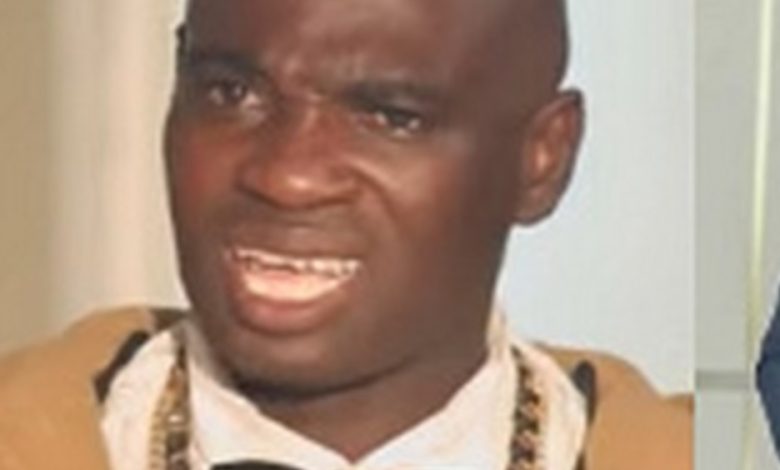
Dr UN Challenges Critics Over Fake Awards Claims, Says “Take Me to Court”
Kwame Owusu Fordjour, widely known as Dr UN, has warned critics to stop describing his controversial award scheme as fake, saying he is prepared to take action against anyone who continues making such claims.
Speaking during a radio interview, Dr UN expressed frustration that six years after the awards controversy first attracted public attention, he was still being associated with allegations that he handed out fraudulent awards.
He accused some journalists and members of the public of making claims without properly investigating the background of the initiative. He urged critics to establish the facts before questioning the credibility of his award scheme.
“Life is moving on and I am tired of hearing this fake award stuff. It’s rather unfair that journalists do not do their research,” he said.
Dr UN maintained that the repeated accusations had become unfair and warned that he would no longer remain silent when people questioned the legitimacy of his activities.
He also called on those making the allegations to either provide evidence to support their claims or seek legal redress.
“I think this is the right time to blast all those who throw accusations at me. Six years now and I am still hearing that. Stop the foolishness and educate yourselves. I won’t take it lightly on anyone who says that to me again,” he added.
He challenged anyone convinced that he had distributed fake awards to take the matter to court rather than continue making public accusations.
The controversy dates back to 2020, when Dr UN gained national attention through the Global Blueprint Excellence Awards, an event attended by several prominent Ghanaian personalities.
The awards ceremony became a subject of widespread public discussion after claims emerged that the event had no official connection to the United Nations or the Kofi Annan Foundation, despite earlier representations suggesting such links.
Dr UN later defended the initiative, explaining that the awards were established by his own organisation. He argued that the scheme was not necessarily an official United Nations awards programme that required direct approval from the organisation’s headquarters in New York.


